
Impact Report 2026
At Brazier Coffee Roasters, we believe that great coffee should do more than taste good. It should be sourced responsibly, roasted thoughtfully, and enjoyed with an understanding of the people, places and processes behind every cup.
Throughout 2026, we continued to invest in better ways of working, strengthen our relationships with coffee producers and support the communities around us here in Somerset and at origin. From installing our new, more efficient IMF roaster to improving our packaging and deepening our commitment to traceability, we have taken practical steps towards reducing our environmental footprint and making a positive difference.
We recognise that sustainability is an ongoing journey, not a destination. While we are proud of the progress made this year, we also know there is more to do. This report shares what we have achieved, the challenges we face, and the areas where we will continue to focus our efforts as we look towards 2027.
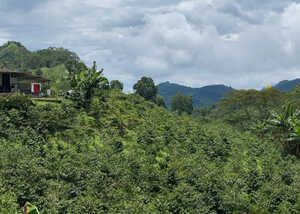
The Climate Crisis: A Challenge for Coffee
Climate change presents a significant threat to the future of coffee. Research suggests that up to 50% of the world's coffee-growing land could become unsuitable for cultivation by the end of this century.
For an industry that depends on particular growing conditions, this is a challenge we cannot ignore. Rising temperatures, changing rainfall patterns and increasingly unpredictable weather threaten both coffee production and the livelihoods of the communities that depend on it.As a small coffee roaster, we know we cannot solve this global challenge alone. However, we believe that the choices we make matter.
By investing in more efficient roasting technology, reviewing our packaging, supporting responsible producers and continually looking for ways to reduce waste, we can play our part in building a more sustainable coffee industry.
Our focus is on making meaningful, practical improvements wherever we can, while continuing to deliver the quality of coffee our customers expect.
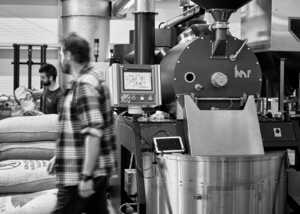
Investing in Greener Technology
The purchase and installation of our new IMF RM60 60kg roaster in May this year has undoubtedly been one of the most significant investments we have made in reducing our environmental impact.
When researching a new roaster, we identified three essential criteria: consistency, automation and sustainability. The IMF RM60 stood out as the clear choice, offering the potential to improve our roasting processes while reducing energy consumption and emissions.
A more efficient way to roast
IMF's roasting technology is designed to minimise consumption through a single burner and combustion chamber, which serves two purposes: heating the air used in the roasting drum and treating the resulting emissions.
The machine also offers flexibility in how we roast. We can operate it automatically, manually or in a semi-automatic mode, allowing us to balance efficiency with the craft and creativity involved in developing our coffee. This flexibility is particularly valuable when roasting new single-origin coffees, where careful adjustments help us bring out the best in every bean.
As Tom explains: “It's super efficient. It uses far less gas — up to 47% less than some traditional roasters — which is great from both an environmental and financial position.”
For us, this investment is about more than upgrading equipment. It is about reducing the resources needed to produce every batch, improving operational efficiency, and laying the foundations for a more sustainable future.
Looking ahead to 2027, one of our key objectives is to power the electrical elements of our roasting operation using 100% renewable energy, combining rooftop solar generation with renewable electricity from the grid. This will be another important step in reducing our environmental footprint and making our operations more sustainable.
We see this as a natural next step in building on the efficiencies delivered by our new roaster. By combining more efficient gas use with a transition towards renewable electricity, we aim to continue reducing the environmental footprint of our operations.
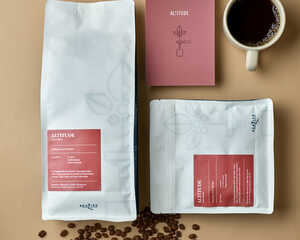
Improved Packaging: Balancing Freshness and Sustainability
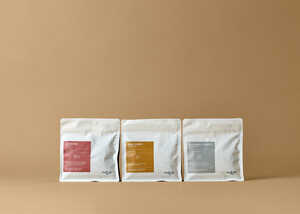
Another major project in 2026 was the redesign of our coffee bags. Choosing packaging might sound straightforward, but there is a great deal to consider. We need to balance environmental impact with the practical requirement of keeping our coffee fresh, from roastery to the customer’s door. Packaging must protect the quality and flavour of the coffee while also being convenient and manageable for our customers to dispose of responsibly.
After careful consideration, we decided to move forward with plastic bags that can be recycled with carrier bags at large supermarkets. We recognise that plastic packaging is not a perfect solution. However, we believe it is important to consider the complete picture, including coffee freshness, the availability of recycling facilities and the disposal habits of our customers. Our chosen bags provide a practical option that can be incorporated into an established recycling routine.
This is not the end of the conversation. Packaging technology continues to evolve, and we will regularly review the options available to us as new materials and solutions emerge.
Looking ahead: packaging for our wholesale customers
In 2027, we’ll turn our attention to improvements we can make to packaging for our wholesale customers.
Research and development is already underway to explore reusable bags and assess whether this approach could help reduce waste and further lower our environmental footprint.
We are excited by the possibilities and will continue to explore solutions that work for our business, our customers and the environment. Watch this space.
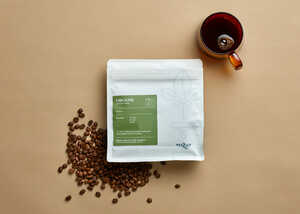
Maintaining Our Organic Certification
In July 2026, we undertook our annual organic inspection and are pleased to confirm that we passed.
Maintaining our organic certification is an important part of our commitment to responsible sourcing and production. It provides reassurance that we continue to meet the required organic standards and reinforces our commitment to the principles that underpin our approach to coffee - we know purchasing fully certified organic coffee is important to many of our wholesale customers and at-home drinkers, and by maintaining our organic certification, customers can be confident that the coffee they enjoy daily, is just that- fully organic.
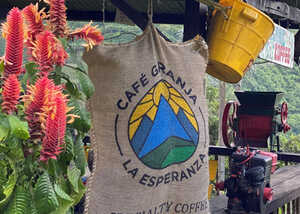
Traceable Coffee: From Farm to Cup
We believe that knowing where our coffee comes from is fundamental to responsible sourcing.
Every single-origin coffee we source can be traced back to its farm of origin, helping us maintain transparency and accountability throughout our supply chain. This commitment gives us greater visibility of the people and processes behind our coffee and helps us make informed purchasing decisions.
Our popular Coffee of the Month feature is one way we share these stories with our customers, highlighting the producers, growing regions and processing methods that make each coffee distinctive.
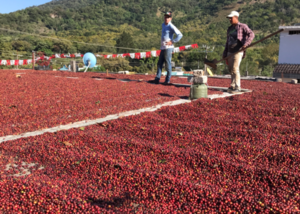
Spotlight on Mexico: Grupo Terruño Nayarit
In 2026, we introduced coffee from Mexican producer Grupo Terruño Nayarit, bringing another fascinating origin and producer relationship into our range.
Our El Cuarenteno coffee is processed at the Sandia and Rustico wet mills. Following harvest, the cherries are floated, depulped and scrubbed before being laid out to dry on patios made up of interconnected rooftops and courtyards.
The coffee is then transported to El Duende Dry Mill in Compostela, where it rests for 14 weeks before being cleaned, sorted, graded and blended. Samples are subsequently roasted and cupped, with the results recorded in FincaLab's quality-control system.
This detailed process provides visibility into the coffee itself, the mills involved and the organisations responsible for its journey.
Customers can explore the traceability information at www.trackyourcoffee.com by entering the code GTN0901000.
Grupo Terruño Nayarit forms part of a wider structure bringing together Sunmex's six producer groups: Astal, Basilio, Cuerno, Riviera, Procaa and Tambor. Sunmex owns and operates the dry mill and manages processing, logistics and quality control, while the producer groups supply coffee to the organisation. FincaLab supports this process with software that tracks coffee lots through the quality-control system, using QR codes to improve transparency.
The group also works to encourage producers to continue supplying coffee through shared ownership and a payment structure that combines the prevailing market price for cherry with additional payments once the coffee has been exported and the season's accounts settled.
These later payments reward coffee quality, while the initial payments help support producers' cash flow.
For us, this is an important example of how traceability can go beyond knowing where a coffee was grown. It can help us understand the wider network of people, businesses and processes that contribute to the coffee we roast and enjoy.
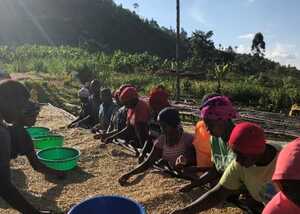
Supporting Our Coffee-Growing Communities
Behind every coffee is a community of people whose livelihoods depend on growing, processing and selling it. Building long-term relationships with producers and supporting more sustainable livelihoods remain important parts of our approach.
We continue to source coffee from independent producers and community-focused partners, including Café Granja La Esperanza in Colombia and the Kinini washing station in Rwanda, with whom we have maintained a relationship for nine years.
Rwanda: investing in communities at origin
Our partnership with Kinini brings us exceptional coffee while also connecting us to a community working to improve local opportunities and essential services.
Over the past 12 months, we have purchased more than 400kg of green coffee from these producers. The communities behind this coffee support grassroots initiatives, including the building and running of schools and health outposts. By purchasing coffee from producers and cooperatives connected to these initiatives, we aim to contribute to a supply chain that supports local livelihoods, community development and more sustainable agriculture.
We are proud to continue these relationships and recognise the importance of long-term partnerships in supporting communities at origin.
Colombia: coffee transported by sail
In 2026, we continued our relationship with Karen from Koru Coffee, purchasing sailship coffee that featured as our June Coffee of the Month and our Nespresso-compatible pods. To date, we have purchased 200kg of this coffee.
The coffee comes from Pueblo Bello, in the foothills of the Sierra Nevada de Santa Marta on Colombia's Caribbean coast. The region is renowned for its coffee cultivation, rich biodiversity and distinctive Indigenous farming traditions. Although it has significant potential for specialty coffee production, producers continue to face challenges in scaling up their operations.
What makes this coffee particularly special is its journey to our roastery.
Transported across the Atlantic aboard the Ide Min, a cargo vessel powered by sail, the coffee spent 112 days travelling to Amsterdam before continuing its journey to the UK. Wind-powered shipping offers an alternative approach to transporting coffee, helping explore ways to reduce the environmental impact associated with moving coffee around the world.
Once it reaches us, we carefully roast the coffee at our Somerset roastery to bring out its distinctive flavour profile. This partnership brings together our commitment to quality, our interest in innovative approaches to transport and our belief in celebrating the people and places behind every coffee.
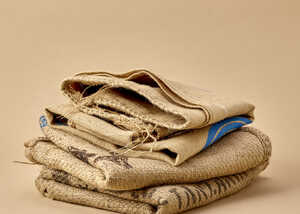
Our Local Community: Making a Difference in Somerset
Our commitment to positive impact extends beyond the coffee-growing regions we work with. Somerset is our home, and supporting the communities around us is an important part of who we are.
Throughout the year, we have continued to support local initiatives through coffee donations, the reuse of materials and practical partnerships with community organisations.
Supporting local organisations
We are proud to provide coffee to social and community projects including Young Somerset, the YMCA group in Taunton and Sweet Surprise in Ilminster.
These organisations play valuable roles in their communities, and we are pleased to contribute in a practical way to the work they do. Sweet Surprise recently welcomed a visit from the Prince of Wales, bringing further attention to the positive work taking place locally.
We believe that even small contributions can make a difference, particularly when they support organisations working directly with people in our local area.
Giving coffee by-products a second life
Coffee roasting generates by-products that can still be put to good use. Rather than allowing these materials to go to waste, we work with local groups to find practical ways of reusing them.
Our used coffee grounds and chaff are regularly collected by local gardening groups, including Transition Town Wellington, where they can be put to use in soil improvement and gardening projects.
Our coffee by-products have also been involved in a trial mushroom-growing project, exploring further opportunities to make productive use of materials generated through our roasting operations.
Reusing coffee sacks
We also make our used coffee sacks available free of charge to local groups, including colleges, for design projects and other creative uses.
By giving these sacks a second life, we help extend the usefulness of materials that would otherwise need to be discarded, while supporting creativity and resourcefulness within our local community.
These initiatives may be small individually, but together they reflect our belief that positive impact often starts with practical action close to home.
Looking Ahead: Our Priorities for 2027
We are proud of the progress made during 2026, but we recognise that there is always room to improve.
Our priorities for the year ahead include:
- Green Energy: Power the electrical elements of our roasting operation using 100% renewable energy, combining rooftop solar generation with renewable electricity from the grid.
- Developing better wholesale packaging: Continuing research into reusable bags and exploring ways to reduce packaging waste.
- Reviewing packaging innovation: Keeping up to date with emerging materials and recycling solutions so that we can make better-informed decisions.
- Strengthening producer relationships: Continuing to prioritise traceable coffees and long-term partnerships with producers and community-focused organisations.
- Expanding local reuse initiatives: Looking for further opportunities to reuse coffee by-products and packaging through local community partnerships.
How Would You Like Us To Improve?
As we continue to grow, our commitment to positive impact grows with us. We're constantly exploring new ways to improve our practices, support our partners, and protect our environment. We invite you to join us on this journey towards a more sustainable and equitable future by emailing info@braziercoffeeroasters.co.uk with the changes you’d like to see us make.

 Updating page...